
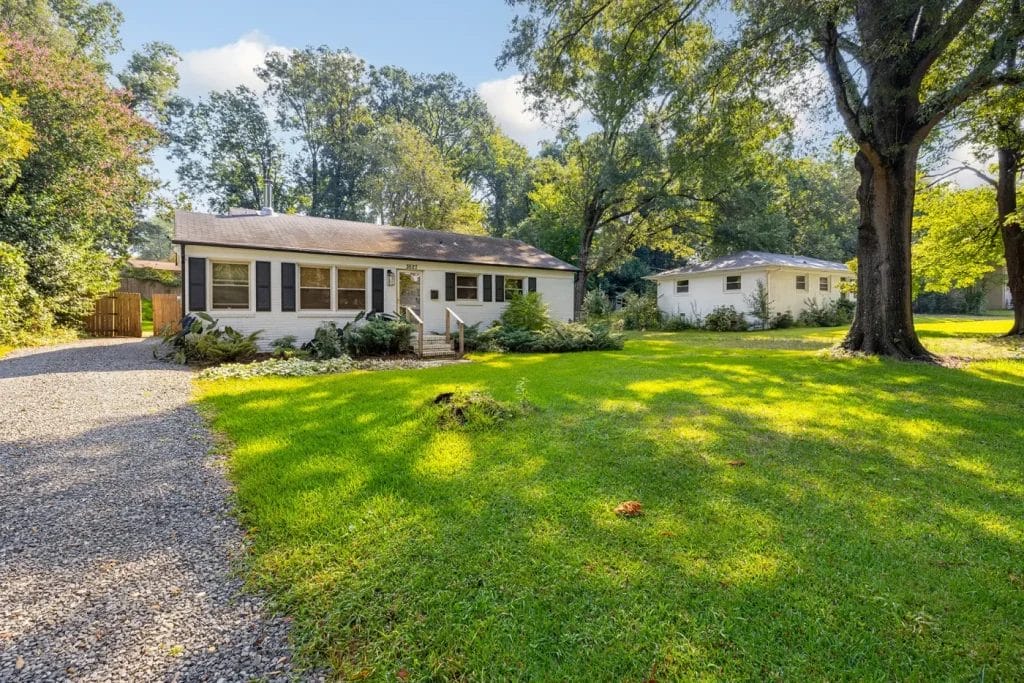
As a Superhost in Charlotte since 2019, I’ve seen firsthand how crucial it is to pick the right neighborhood for your Airbnb.
After photographing over 1,000 short-term rentals, I can tell you that some areas just shine brighter than others.
Balancing demand with competition is key to maximizing your earnings.
Let’s dive into the neighborhoods that can really boost your Airbnb success!
Key Takeaways
- Uptown Charlotte offers the highest revenue potential at $34.8K annually with a 54% occupancy rate, despite high competition.
- South End and Dilworth balance strong demand with lower competition, appreciating 6.1% annually near the LYNX Blue Line.
- NoDa and Plaza Midwood attract culture-seeking travelers with authentic charm and appeal to young professionals and families affordably.
- University areas provide steady, year-round demand from students and medical professionals with predictable booking patterns and lower competition.
- Walkability, proximity to attractions, and local amenities significantly impact nightly rates and occupancy across all Charlotte neighborhoods.
Charlotte NC as an Airbnb market — the big picture
Charlotte’s short-term rental market is booming, and the numbers tell a compelling story. You’re looking at an average annual revenue of $30.1K for Airbnb Charlotte NC hosts, with an average daily rate of $207.9 and a respectable 50% occupancy rate. These figures represent genuine opportunity for hosts willing to understand their market.
The short term rental Charlotte NC landscape varies dramatically by neighborhood. Different areas attract different travelers. Corporate professionals flock to certain districts while creative visitors seek out others. This diversity means you can’t apply a one-size-fits-all approach when evaluating the best neighborhoods Airbnb Charlotte offers.
Your success depends on choosing the right location. Whether you’re targeting business travelers or tourists, Charlotte’s vibrant tourism sector and diverse attractions create sustained demand. Understanding these neighborhood variations helps you maximize your investment potential and achieve stronger returns than the market average. Additionally, having professional photos of your listing can significantly enhance its appeal, leading to higher engagement and bookings.
Uptown Charlotte — highest demand, highest competition
Uptown Charlotte’s the neighborhood where you’ll find the highest revenue potential in the entire city—and that’s exactly why it’s also where you’ll face the toughest competition.
You’re looking at an average annual revenue of $34.8K with a daily rate hitting $207.9. That’s impressive. But here’s the reality: your occupancy rate sits at 54%, meaning nearly half your nights stay empty. Why? Too many vacation rental Charlotte NC properties are fighting for the same corporate travelers and event attendees.
The median home value of $450,000 reflects Uptown’s desirability. That perfect 10/10 work-travel rating and 9/10 convenience score make this charlotte nc airbnb market attractive. However, you’ll need exceptional photography, strategic pricing, and stellar reviews to stand out. The neighborhood’s walkability and proximity to corporate headquarters draw consistent demand, but differentiation matters tremendously here. Investing in Airbnb photography pricing can significantly enhance your listing’s appeal.
South End and Dilworth — the design-forward option
If you’re looking for a neighborhood that balances high demand with lower competition than Uptown, South End and Dilworth deserve your serious consideration.
South End’s transformation from industrial grit to cultural hub makes it magnetic for travelers. You’ll capture guests seeking breweries, restaurants, and walkable streets. The neighborhood averages $198.2 nightly rates with 50% occupancy—solid revenue potential that rewards thoughtful hosts.
Dilworth offers something different: historic charm and tree-lined streets that appeal to families and young professionals. Properties here appreciate at 6.1% annually, with median values around $525,000. That investment stability matters when you’re committing capital.
Both neighborhoods sit minutes from Uptown and connect to the LYNX Blue Line. This proximity fuels consistent demand from business travelers and leisure visitors alike. They’re less saturated than Uptown but equally accessible. That’s the sweet spot for hosts building sustainable income while maintaining reasonable competition levels.
NoDa and Plaza Midwood — character neighborhoods with strong demand
While South End captures the design-conscious crowd, NoDa and Plaza Midwood pull in a different kind of traveler—one who’s hunting for authentic culture, not just Instagram moments.
NoDa’s vibrant arts district delivers exactly that. You’ll tap into visitors craving galleries, live music, and genuine creative energy. The recent Blue Line extension makes access seamless, boosting your rental potential considerably. Expect an average daily rate around $175.6 per night.
Plaza Midwood offers something equally compelling. Its diverse dining scene and vintage shops attract food enthusiasts and creative professionals who value character over polish. The neighborhood generates solid annual revenue—averaging $27.8K—because it appeals to multiple visitor types.
Both neighborhoods blend artistic charm with proximity to Uptown, making them magnets for young professionals and families. You’re not just renting a room here; you’re offering an authentic Charlotte experience. That authenticity commands loyalty and repeat bookings.
University area — consistent demand from medical and academic visitors
Unlike the artsy appeal of NoDa or the trendy vibe of South End, the University area offers something more predictable and deeply reliable: steady, year-round demand from students, professors, and medical professionals. You’ll tap into consistent bookings driven by UNCC’s academic calendar and the nearby medical facilities that draw visiting healthcare workers.
What makes this neighborhood genuinely compelling is the dependability. While other areas spike seasonally, the University area maintains baseline occupancy throughout the year. You’re not chasing event weekends or fighting seasonal fluctuations—you’ve got built-in demand.
The area’s rapid appreciation and ongoing development signal strong investment potential. Growing amenities like parks and dining options enhance your property’s appeal. Properties here attract guests seeking proximity to institutions rather than Instagram-worthy experiences.
For hosts prioritizing stability over volatility, the University area delivers exactly that: reliable income from a steady stream of purpose-driven visitors who need accommodation, not entertainment.
Concord and Kannapolis — lower competition, event-driven demand
Beyond the predictable stability of the University area lies a different opportunity altogether: Concord and Kannapolis offer something hosts often overlook because they’re looking in the wrong places.
Here’s why these neighboring cities matter. You’ll face considerably lower competition than Charlotte’s saturated neighborhoods, which means your listings get discovered faster and stay booked longer. The Charlotte Motor Speedway races and the annual Kannapolis Christmas Parade drive predictable spikes in demand—guests actively seek accommodations during these events, and you’re positioned to capture that traffic.
Your investment costs less too. Median home values here run substantially below Charlotte’s $391,750 average, giving you better profit margins from day one. You’re also attracting diverse guests: families exploring local attractions, business travelers, and event attendees—not just one demographic.
Located just north of Charlotte, these cities offer guests suburban quietness with easy urban access. That combination’s powerful. You’re not competing against hundreds of listings in Plaza Midwood or NoDa. You’re building something real in an undervalued market.
Areas near Charlotte Douglas Airport — business traveler focus
If you’re serious about capturing consistent bookings without fighting through Uptown’s cutthroat competition, neighborhoods near Charlotte Douglas Airport offer a completely different play—one built on predictable business traveler demand.
Steele Creek and Ballantyne sit just 20 minutes from the airport, making them magnets for corporate guests who prioritize convenience. You’ll tap into occupancy rates averaging 40-50%—solid numbers that translate to reliable income. These areas are experiencing rapid growth too; Steele Creek’s median home values jumped 15.3% recently, signaling strong rental demand.
What makes this strategy work? Business travelers value proximity and efficiency over neighborhood vibe. Stock your property with high-speed Wi-Fi, quality bedding, and a workspace. Easy highway access via I-485 means your guests reach corporate offices and the airport without stress.
You’re not competing for Instagram-worthy aesthetics here. You’re solving a real problem: giving professionals affordable, convenient lodging. That consistency beats seasonal fluctuations every time.
How to evaluate any Charlotte neighborhood for STR potential
What separates a thriving Airbnb investment from a money pit? You need a framework for evaluation. Start by examining average annual revenue—Uptown Charlotte generates approximately $34.8K, setting a benchmark for comparison. Next, scrutinize daily rates. Uptown commands $207.9 per night, while Plaza Midwood averages $175.6. That difference compounds quickly over a year.
Occupancy rates matter tremendously. Uptown’s 54% indicates consistent bookings, essential for stable income. You’ll also want to assess median home values and appreciation rates. Plaza Midwood sits at $525,000 with 6.1% appreciation, revealing long-term investment viability.
Don’t overlook local amenities and accessibility ratings. Uptown’s 9/10 convenience score directly correlates with guest demand. You’re evaluating neighborhoods through a data lens, not intuition. This methodical approach protects your investment and maximizes your earning potential in Charlotte’s competitive STR market.
What neighborhood characteristics affect your nightly rate
Your nightly rate isn’t random—it’s determined by what your neighborhood actually offers guests.
Walkability matters enormously. Uptown Charlotte commands $207.9 per night because guests pay premium prices for proximity to restaurants, shops, and entertainment. They’re literally stepping outside your door into action. South End follows this pattern—vibrant cultural scenes and parks drive demand and nightly rates upward.
Proximity to corporate hubs influences rates differently. Plaza Midwood and Ballantyne attract business travelers who prioritize convenience over aesthetics, creating consistent 40-54% occupancy rates. These guests aren’t shopping for Instagram moments; they’re booking reliable income for you.
Budget neighborhoods like Tryon Hills ($280,000 average home values) hit $198 nightly rates by targeting price-conscious travelers. You’re competing on affordability, not luxury.
Parks and cultural sites amplify your earning potential. They transform ordinary neighborhoods into destinations. I’ve photographed properties across Charlotte’s map—the ones near authentic attractions consistently outperform isolated locations. Your neighborhood’s character directly funds your revenue.
Frequently Asked Questions
What Are the Seasonal Demand Fluctuations for Charlotte Airbnbs Throughout the Year?
You’ll experience peak occupancy exceeding 50% during spring and fall, face summer dips averaging 40%, and navigate winter lulls dropping below 40%. Major events temporarily boost demand year-round, driving increased rates.
How Do Local Regulations and Zoning Laws Affect Short-Term Rental Operations?
You’ll need an annual zoning permit displaying your permit number in all advertisements. You’re required to maintain lodger lists for three years, comply with fire and building codes, and pay applicable taxes. Events aren’t permitted in residential zones.
What Furnishing and Amenity Standards Maximize Occupancy Rates in Charlotte?
You’ll maximize occupancy by providing essential amenities—Wi-Fi, modern kitchens, air conditioning—and furnishings reflecting your neighborhood’s character. Tailor decor to attract your target demographic, whether corporate travelers or creative visitors, ensuring every detail enhances guest experience.
How Should Hosts Price Their Properties During Major Charlotte Events?
You should increase nightly rates 20-30% during major events like NASCAR or CIAA tournaments. Monitor occupancy rates closely, analyze comparable listings’ pricing, and consider offering longer-stay discounts to maximize revenue while staying competitive.
What Are the Average Property Management Costs for Charlotte STR Hosts?
You’ll typically pay 10-20% of rental income for property management in Charlotte. Factor in $100-400 monthly maintenance costs and $75-150 cleaning fees per turnover. Additional services like marketing and leasing can increase expenses considerably.
Conclusion
Choosing the right neighborhood in Charlotte is crucial for your Airbnb success. Focus on what your property offers and align it with the demands of potential guests. Whether you target corporate travelers in Uptown or creatives in NoDa, understanding your niche is key to maximizing income. Additionally, high-quality listing photos can significantly enhance your bookings and nightly rates, showcasing your space effectively. For more insights or to book a professional shoot that elevates your listing, visit Charlotte Pixels.
Hosting in Charlotte? See my Charlotte Airbnb photography page for packages, recent local shoots and what to expect on shoot day.